


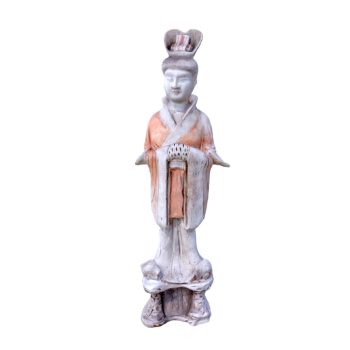
Painted pottery female figurines of the Tang Dynasty
This is a Chinese Tang Dynasty painted pottery female figurines (or ladies figurines). It was made in China during the Tang Dynasty (618-907) and was one of the funerary objects (Ming ware) in the burial culture of that time. The terracotta figures are dressed in wide-sleeved gowns with cross-necked collars, their hands close to their chests, their hair in a high bun (similar to the popular "high bun" or "fallen horse bun" at the time), and their faces are plump and round. This plump shape is the embodiment of the aesthetic ideal represented by Yang Guifei in the prosperous Tang Dynasty. They usually appear in groups and are placed in the ear chambers or corridors of noble tombs, symbolizing the maids, kabuki or attendants of the tomb owner.
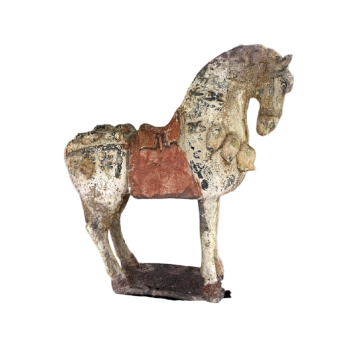
Ancient Chinese Painted Pottery Horse
This is an ancient Chinese painted pottery horse, probably belonging to the period from the Northern Dynasty to the Tang Dynasty. It is a pottery figurine made of clay. The surface was originally decorated with painted decorations (such as red and white pigments), but most of them have fallen off due to age, revealing the plain tires at the bottom and some residual paintings. This craft was very common in ancient Chinese burial art. This realistic and vigorous image of horses prevailed in ancient China from the Northern Dynasties (such as the Northern Wei Dynasty and the Northern Qi Dynasty) to the Tang Dynasty (618-907). The depiction of horses in this period reached an artistic peak, reflecting the strong national strength and the emphasis on horses of the times.
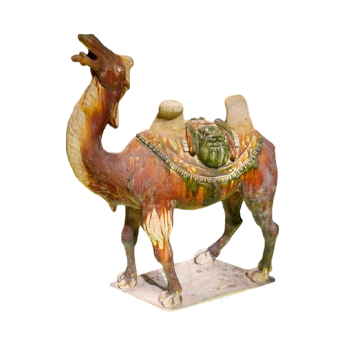
Tang tricolor camel
Tang tri-colored camel, an ancient Chinese pottery figurines art. It is a low-temperature glazed pottery made of clay, usually using yellow, green, white (or brown) and other glaze, hence the name "three colors". This style of pottery figurines prevailed in the Tang Dynasty (618-907) and was a treasure of the ceramic firing process at that time. Tang tricolor camels are mainly used as burial objects (ghost), reflecting the tomb owner's desire to enjoy a rich life in the grave. In the Tang Dynasty, the camel was an important means of transport on the Silk Road, known as the "ship of the desert".
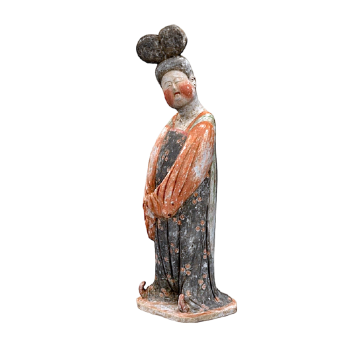
Painted Handmaid Figurines of Tang Dynasty in China
This item is a painted pottery female figurines from the Tang Dynasty (618-907 AD) in China, commonly known as the Tang Dynasty maid figurines. The style of sculpture clearly reflects the artistic characteristics of the Tang Dynasty. In the Tang Dynasty, the national power was strong and the aesthetic preference was for a rich female image, which was fully reflected in the round cheeks and posture of the pottery figurines. This kind of pottery figurines is a ghost, that is, funerary objects, unearthed in the tombs of the nobles of the Tang Dynasty. They are designed to simulate the life of the tomb owner in the afterlife, including servants, maids, musicians, dancers, horses and camels.

Pottery Figurines of Horse Riding in Tang Dynasty
Commonly known as the Tang Sancai, it is a treasure of ancient Chinese ceramic firing technology. With its rich colors and vivid modeling, it reflects the prosperity of the Tang Dynasty society and the importance of horses. The production process is complex. It provides people with valuable material materials to understand the historical value of Chinese Tang culture, and also makes batch after batch of Chinese and foreign collectors fall in love with its artistic charm. It is one of the most common themes in the culture and art of the Tang Dynasty. The discovery of the terracotta warriors of the Tang Dynasty has enriched our understanding of the culture and art of the Tang Dynasty, and also demonstrated the outstanding achievements of the Tang Dynasty in ceramic craftsmanship.

【 3D Printing 】 Tang Dynasty Female Figurines: Maid Playing Pipa
Tang Dynasty female figurines were discovered in northern China in the first half of the 7th century and are currently preserved at the National Museum of Asian Art in Paris. They are made of multicolored glazed clay.
![[Cultural Relics of Tang Dynasty] Painted Female Figurines of Tang Pottery](https://file.freecreat.com/user/43/43/2023/1124/142654gSyb2mO7.png?x-oss-process=image/resize,m_pad,w_350/quality,q_80)
[Cultural Relics of Tang Dynasty] Painted Female Figurines of Tang Pottery
Tang pottery painted female figurines are painted female figurines of the Tang Dynasty. The female figurines are dressed in a bun, their faces are painted with red powder, their silkworm eyebrows are detailed, and their facial features are relatively concentrated in the center of their faces. They are slightly compact. They are dressed in long skirts, their hands are caged in front of their chests, and they are paunchy. They seem to be walking slowly. After the middle of the Tang Dynasty, especially during the Kaiyuan and Tianbao years, the fashion of taking obesity as beauty gradually formed in the society. Concubine Yang was favored by Li Longji and pushed this fashion to the extreme. This female figurine is a typical reflection of the aesthetic tendency in the prosperous Tang Dynasty.

Popular Models
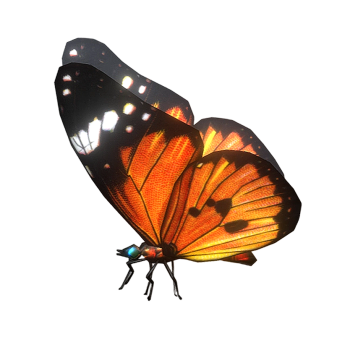
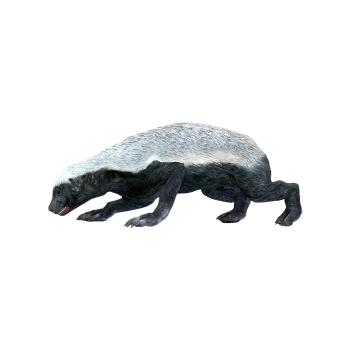
Honey Badger (3D animated model)
192 View
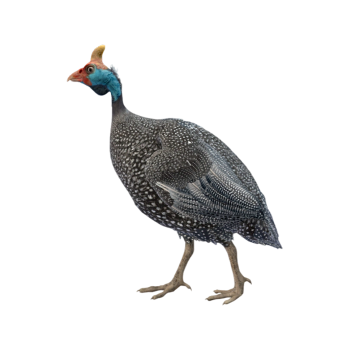
Guinea fowl (3D animated model)
163 View
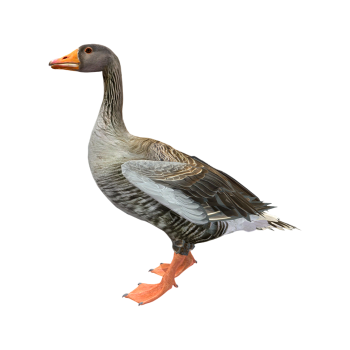
Wild Goose (3D animated model)
185 View
Red Fox (3D animated model)
153 View
Random Model

Extra Long Garden Irrigation Pipe
853 View

Bronze Arrow
474 View

Sydney
269 View

Camping tool set
518 View

Aventador Art Painting SVJ KATANA
612 View
Black Zip Jacket
792 View

Pottery Tilder Pot
370 View